
This guide is written for SME owners and marketing managers running Google Ads with a monthly budget between £2,000 and £20,000. It does not cover enterprise-level programmatic buying or multi-channel attribution modelling at scale.
What Is a Pay Per Click Consultant and Do You Actually Need One?

A pay per click consultant is a specialist hired to plan, build, manage, and optimise paid search campaigns typically on Google Ads or Microsoft Ads with the goal of generating measurable returns on your ad spend. Unlike a generalist digital marketing agency, a PPC consultant’s entire focus is on paid traffic performance.
That distinction matters more than most business owners realise.
Here’s the thing: most underperforming Google Ads accounts are not victims of a bad platform. They’re victims of generic management broad match keywords left unchecked, no negative keyword lists, landing pages that don’t match ad intent, and bidding strategies set and forgotten. A specialist sees those problems within the first audit. A generalist often doesn’t know how to look.
According to WordStream’s Google Ads Benchmarks report (2023), the average conversion rate across all industries on the search network is just 4.40%. Most businesses running unoptimised campaigns are sitting well below that and attributing the gap to Google being expensive rather than structural campaign failures.
Do you need a consultant specifically, or would an agency work? That depends on budget, control preference, and how embedded you want your paid search expert to be. The table below breaks it down.
Quick Comparison
| Option | Best For | Key Benefit | Limitation |
| Freelance PPC Consultant | SMEs wanting direct access and lower overhead | One-to-one attention, faster decisions | May lack resource depth for large accounts |
| PPC Management Agency | Businesses wanting a full team structure | Multi-specialist support, scalable | Account may be managed by junior staff |
| In-House PPC Manager | Companies with large, consistent ad budgets | Full internal control and institutional knowledge | High fixed cost, hard to backfill expertise |
| Generalist Marketing Agency | Businesses wanting one supplier for everything | Simplicity of management | PPC often treated as secondary service |
A freelance pay per click consultant is better suited for SMEs with focused campaign goals because they offer direct expertise without agency overhead. An agency works better when you need multi-platform management at scale. The key difference is attention per pound spent.
The Real Reason Your Google Ads Aren’t Converting
Most business owners who search for a PPC consultant have already tried something. They’ve run Smart Campaigns, adjusted bids manually, or handed the account to an agency that promised results and delivered reports.
The reports looked fine. The results didn’t.
What usually goes wrong isn’t visible on the surface. Quality Score degradation, audience list mismatches, search term bleed from broad match, and bidding strategies that optimise for clicks rather than revenue these are the silent killers of ad spend. You won’t see them in a basic dashboard view, and you won’t know to ask about them unless you already understand what they are.
Or maybe I should say it this way: the gap between a working PPC account and a wasting one isn’t always a big, obvious mistake. It’s usually ten small ones, compounding quietly over months.
Users who’ve tried managing Google Ads independently often report that the platform’s own recommendations, the ones Google actively pushes frequently increase spend without proportionally improving returns. Accepting automated suggestions without strategic oversight is one of the most common causes of budget erosion in SME accounts.
How to Vet a Pay Per Click Consultant Before You Hire

This is the section most consultancy websites skip entirely. They’ll show you their certifications and client logos. They won’t tell you what questions to ask before signing anything.
To evaluate a pay per click consultant properly, follow these steps:
- Ask for a sample audit of your existing account not a proposal, an actual audit with findings.
- Check their Google Ads certification status directly via Google’s Partner verification tool, not just their website claim.
- Request a case study from your industry conversion rates, cost-per-acquisition, and timeline, not just we increased traffic.
- Ask how they handle underperforming campaigns, what’s their process for diagnosing issues before making changes?
- Clarify who actually manages the account if it’s an agency, is it a senior consultant or a junior account manager?
- Get pricing in writing including what’s included, what triggers additional fees, and what the minimum contract term is.
That last point is where most deals go sideways.
Pricing transparency is rare in this industry. Many consultants bury management fees inside a percentage-of-spend model without explaining what optimization activities that percentage actually covers. A straight answer on pricing whether it’s a flat monthly retainer, an hourly rate, or a percentage of ad spend is itself a green flag.
Red flags to watch for:
- Guarantees of a specific ROAS or conversion volume before they’ve audited your account
- Reluctance to give you admin access to your own Google Ads account
- Reporting that focuses on impressions and clicks but never cost-per-conversion
- No discussion of landing page quality or conversion rate optimisation PPC doesn’t work in isolation
I’ve seen conflicting data on this some sources suggest that Google Partner badge status meaningfully predicts performance, others argue it mainly reflects spend thresholds rather than expertise. My read is that certification is a baseline, not a differentiator. The audit quality tells you far more.
What a Good PPC Consultant Actually Does Day-to-Day
Hiring without understanding the workflow is how businesses end up overpaying for underdefined work.
A professional paid search consultant working on a well-structured account will typically spend time across five core activities: keyword and search term analysis, bid strategy adjustment, ad copy testing, audience list management, and conversion tracking integrity. Tools like Optmyzr are commonly used for automated bid management and performance alerts, while SEMrush provides competitor ad analysis and keyword gap identification that manual Google Ads data alone won’t surface.
The reporting cadence matters too. Weekly performance snapshots are table stakes. What separates strong consultants is whether they bring strategic recommendations not just data and whether those recommendations connect back to your business objectives, not just platform metrics.
Quick note: if a consultant’s monthly report leads with impressions, that’s a signal they’re optimising for activity, not outcome.
Some experts argue that businesses should build PPC knowledge in-house before hiring externally, so they can hold consultants accountable. That’s valid when you have the time and internal resources to develop that expertise. But if you’re running a business with limited bandwidth and an actively haemorrhaging spend, waiting to become proficient enough to supervise an expert is not a practical strategy.
What a Realistic ROI Timeline Looks Like
Expect a learning curve. Don’t expect miracles in week one.
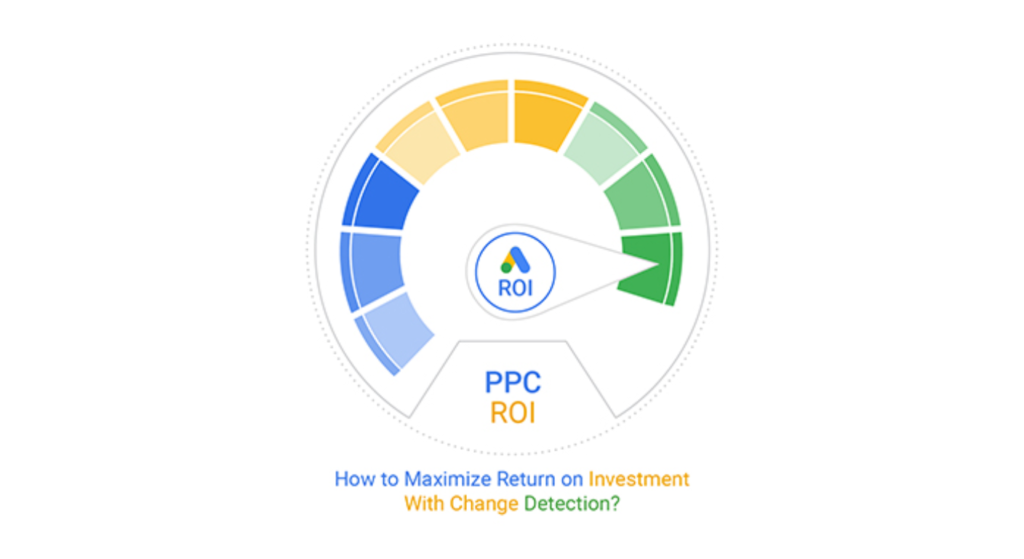
Most reputable pay per click consultants will tell you that a new or restructured campaign needs four to eight weeks of data before optimisation decisions carry statistical weight. Smart Bidding strategies like Target CPA or Target ROAS require a minimum number of conversions typically 30–50 per month before the algorithm performs reliably.
What that means practically: month one is audit, restructure, and baseline. Month two is testing. Month three is where you start seeing directional data worth acting on. If someone promises transformative results in the first 30 days without those caveats, treat that promise as a red flag, not a selling point.
What most guides skip is the conversion tracking setup phase. A consultant who inherits an account with broken or misconfigured conversion tracking is flying blind and any results reported before tracking is fixed are meaningless. Confirming that tracking is correctly implemented before any optimisation begins is non-negotiable.
FAQs
Q: What’s the best way to find a reliable pay per click consultant?
A: Ask for a live audit of your existing account before committing. A capable consultant will identify specific issues within hours. Certifications matter less than demonstrated analytical ability and transparent communication about process and pricing.
Q: How do I know if my current PPC setup is underperforming?
A: If your cost-per-conversion is rising, your Quality Scores are below 6, or your search term reports show irrelevant traffic eating budget, your account needs attention. According to WordStream (2023), the average Google Ads conversion rate is 4.40% if you’re below that, something structural is likely wrong.
Q: Should I hire a freelance PPC consultant or a full agency?
A: For most SMEs with budgets under £10,000 per month, a specialist freelance consultant typically offers better value and more direct access to senior expertise. Agencies suit businesses needing multi-platform management or a larger account team.
Q: Why does my Google Ads account keep spending without converting?
A: The most common causes are broad match keywords without negative lists, landing pages misaligned with ad intent, and bidding strategies optimised for clicks rather than conversions. These require structural fixes, not just budget adjustments.
Q: When should I consider hiring a pay per click consultant instead of managing it myself?
A: When your monthly ad spend exceeds £2,000, your time cost of managing campaigns outweighs the potential saving, or your conversion data shows flat or declining returns over two or more months despite account changes.
This guide covers how to evaluate, hire, and set realistic expectations for a pay per click consultant managing Google Ads campaigns. It does not address paid social (Meta, LinkedIn), programmatic display, or affiliate channel management.Look, if you’re spending £3,000 a month on Google Ads and haven’t seen a meaningful return in the last 90 days, here’s what actually works: get a no-obligation account audit from a specialist before signing any contract. The audit tells you whether the problem is fixable and whether the person auditing it knows what they’re doing. Both answers are valuable.