This guide is written for UK-based small and medium business owners running or planning Google Ads campaigns with a monthly budget between £500 and £10,000. It does NOT cover enterprise-level managed accounts or programmatic display buying.
Google Ads consultants are independent specialists or small agencies hired to plan, build, and manage pay-per-click campaigns on Google’s advertising platform. Unlike a full-service agency, a consultant typically works directly with your account, often as an extension of your team, and is accountable for spend efficiency rather than just deliverables.
That distinction matters more than most business owners realise.
Why Most Google Ads Accounts Underperform Before a Consultant Steps In

Here’s the thing: the problem almost never starts with the budget.
According to WordStream’s Google Ads Benchmarks report (2023), small businesses waste an average of 25% of their Google Ads spend on irrelevant clicks driven by poor keyword match type selection and missing negative keyword lists. That’s £250 in every £1,000 gone before a single qualified visitor lands on your site.
Most business owners who come to this decision have already tried three things. They ran Smart Campaigns because Google recommended them at setup. They hired a generalist digital agency that quietly outsourced the account to a junior contractor overseas. And they watched enough YouTube tutorials to understand what a conversion rate is but not enough to diagnose why theirs is broken.
That’s not inexperience. That’s exactly where most accounts are.
The real issue is accountability. Smart Campaigns optimise for Google’s revenue, not yours. Generalist agencies often lack the depth to work at keyword and match type level. And tutorials teach concepts that don’t audit your specific account structure, landing pages, or Quality Scores.
A good consultant does all three.
What a Google Ads Consultant Actually Does (And What They Don’t)
This is where a lot of confusion kicks in and it costs people money.
A Google Ads consultant is not a content writer, not an SEO specialist, and not a web developer. Their lane is narrow on purpose. They manage the paid search account: keyword strategy, match types, bidding logic, ad copy testing, Quality Score improvement, landing page alignment, conversion tracking, and budget allocation across campaigns.
Or maybe I should say it this way: their job is to make every pound you spend work harder than it did yesterday.
What they typically don’t do unless specifically agreed is build your landing pages, write your blog content, or manage your social ads. If a consultant is offering to do everything, that’s worth questioning.
A Google Ads consultant is a paid search specialist who manages and optimises Google Ads accounts on behalf of businesses. They work directly inside the account configuring campaigns, keywords, bids, and ad copy with the primary goal of reducing wasted spend and improving return on ad spend (ROAS).
The Exact Framework for Evaluating a Google Ads Consultant
Most people hiring a consultant ask the wrong questions. They ask how long have you been doing this? instead of Can you show me an account you improved and what specifically changed?”
Here’s how to evaluate properly.
Certifications: Necessary But Not Sufficient
Google’s Skillshop certification programme allows anyone to pass a multiple-choice exam and call themselves Google Ads certified. The certificate proves familiarity with the platform. It does not prove they’ve managed real money, navigated a competitive auction, or recovered a failing account.
Check for certification but treat it as a minimum threshold, not a hiring signal.
What matters more: have they worked in your industry vertical? A consultant with three years in e-commerce accounts may not have the same instincts for local service businesses, where intent signals and geographic targeting work very differently.
The Portfolio Question Most People Skip
Ask directly: Can you walk me through one account where spend stayed flat but results improved and tell me specifically what you changed?
The answer reveals everything. A strong consultant will reference negative keyword expansion, match type restructuring, ad schedule adjustments, or Quality Score improvements. A weak one will say something vague about “optimising the account” or pivot to results without explaining the method.
Results without method is luck. The method with results is skill.
Red Flags That Should End the Conversation
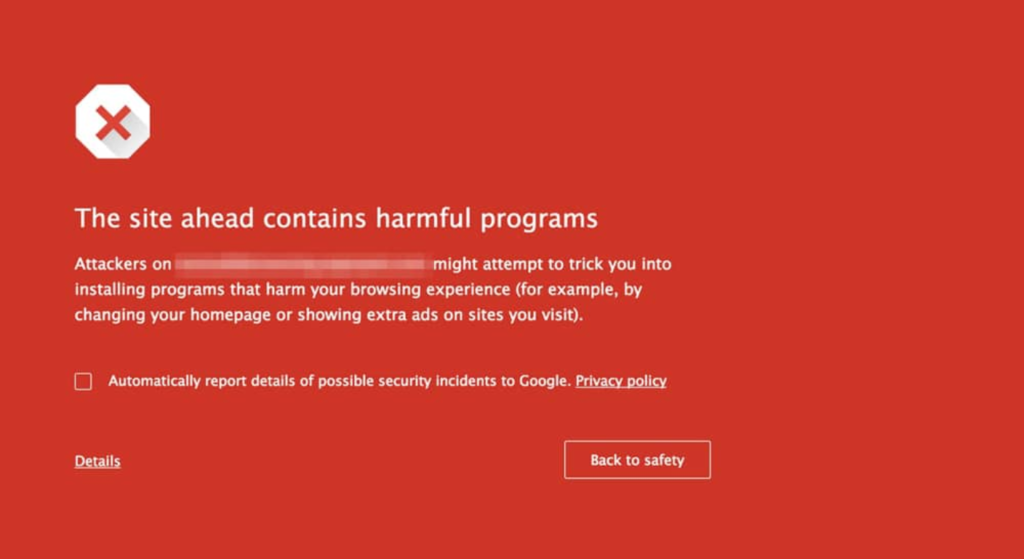
Some are obvious. Most aren’t.
Watch for these:
- They guarantee a specific cost-per-click or position Google’s auction is dynamic; no one controls that
- They won’t give you access to your own Google Ads account this is your data, always
- Their reporting is a PDF screenshot of impressions and clicks, with no conversion or ROAS data
- They ask you to trust them for at least six months before you’ll see anything without explaining what milestones to expect at month one, two, and three
- They conflate clicks with results high traffic with no leads is a management failure, not a strategy
One more thing that most people miss: if a consultant can’t explain why your current campaigns are failing in the first audit call, they’re not deeply reading your account. They’re selling.
Pricing Models Explained: Retainer, Percentage of Spend, or Flat Fee
This is the section most competitor sites skip entirely and it’s where business owners make expensive mistakes.
There are three dominant pricing structures in the UK market. Each has legitimate uses and real drawbacks.
Quick Comparison:
| Pricing Model | Best For | Key Benefit | Limitation |
| Monthly retainer (fixed fee) | Businesses with stable, established campaigns | Predictable cost; consultant incentivised by outcomes not volume | May underserve growing accounts needing more hours |
| Percentage of ad spend (typically 10–20%) | Businesses scaling budgets aggressively | Consultant scales effort with budget | Creates conflict of interest — higher spend = higher fee |
| Flat project fee | One-off account builds or audits | Clear scope and cost | No ongoing optimisation included |
| Hourly consulting | Ad hoc advice or troubleshooting | Pay only for what you need | Hard to budget; inconsistent attention |
The percentage-of-spend model deserves specific scrutiny. Some experts argue it aligns consultant incentives with client growth, spend more, and get more attention. That’s valid when budgets are genuinely growing and the consultant is the one driving that growth.
But if you’re paying 15% of £5,000/month (£750) and the consultant is doing four hours of work, you’re paying £187.50 per hour for someone who has a structural reason to keep your budget high. Run that number before you sign.
For most UK SMBs running between £1,000 and £5,000/month in ad spend, a fixed monthly retainer between £400 and £1,200 is the most transparent structure. It separates the consultant’s fee from your media budget entirely.
Quick note: always ask what’s included in any retainer number of campaigns managed, frequency of reporting, whether landing page recommendations are in scope, and what happens if you pause campaigns for a month.
Freelancer vs Agency vs In-House: Which Setup Actually Works
Look, if you’re running a £1,500/month Google Ads budget, here’s what actually works: a specialist freelancer or boutique consultant, not a large agency.
Large agencies make commercial sense at scale. Their account management overhead account directors, client services teams, reporting layers costs real money, and that cost is built into their fees. At lower budgets, you’re often funding the overhead more than the expertise.
Freelance Google Ads consultants and small specialist practices typically offer direct access to the person doing the work. That accountability gap knowing exactly who touches your account is significant.
I’ve seen conflicting data on this, actually. Some agency advocates argue that freelancers lack the team resource to cover holidays, illness, or scale quickly. That’s a fair point for accounts requiring daily active management. But for the majority of SMB accounts running two to five campaigns, a single skilled consultant with a solid process handles the workload comfortably.
The in-house route hiring a full-time PPC manager makes sense above roughly £15,000/month in ad spend, where the salary cost becomes proportionally reasonable. Below that threshold, you’re paying a full salary for a role that may not have enough volume to develop the skills it needs.
How to decide which setup fits your situation:
- Assess your monthly ad spend under £5,000 points toward a freelancer or specialist consultant
- Check how actively your campaigns need managing high seasonality or frequent promotions need more responsive support
- Confirm who will own the account get this in writing before any money changes hands
- Ask whether the consultant uses tools like SEMrush for competitor ad analysis it signals they’re thinking about your market, not just your account
- Request a sample report before signing not a template, a real one from a real client (anonymised is fine)
What to Expect in the First 90 Days

Most guides stop at how to hire this one won’t.
The first 30 days should be diagnostic. A consultant worth hiring will audit your existing account structure, conversion tracking setup, landing page alignment, Quality Scores, and search term reports before touching a single bid. If they start making changes in week one without a clear audit phase, ask why.
Days 31 to 60 are typically restructuring. This is where negative keyword lists get built, match types get tightened, and campaign structures get reorganised around intent signals rather than internal product categories. Results often dip slightly here, that’s normal, and a consultant should tell you to expect it.
By day 90, you should have a clear baseline: cost per conversion, ROAS by campaign, Quality Score trends, and a testing roadmap for the next quarter.
If you don’t have that at 90 days, you don’t have a consultant, you have someone who’s been babysitting your account.
Most people assume the first month should show dramatic results. The data says otherwise: meaningful ROAS improvement typically emerges in month two or three as restructuring takes effect and Quality Scores stabilise. Setting that expectation upfront separates good consultants from ones who overpromise to close the sale.
FAQs
Q: What’s the best way to verify a Google Ads consultant’s credentials?
A: Ask to see their Google Skillshop certification, request two anonymised case studies from similar industries, and confirm you’ll retain full admin access to your Google Ads account throughout the engagement.
Q: How do I know if my Google Ads consultant is actually doing the work?
A: Request monthly reporting that includes search term reports, Quality Score changes, and conversion data not just clicks and impressions. If they can’t explain what changed and why each month, that’s a problem.
Q: Should I hire a freelance Google Ads consultant or an agency?
A: For ad budgets under £5,000/month, a specialist freelancer or boutique consultant typically offers better value and direct accountability. Agencies make more sense above that threshold where their team infrastructure is proportionally justified.
Q: Why does my Google Ads campaign get clicks but no conversions?
A: Usually one of three things: the wrong keywords are triggering your ads, the landing page doesn’t match the ad’s promise, or conversion tracking is broken. A consultant should diagnose this in the first audit.
Q: When should I stop working with a Google Ads consultant?
A: If after 90 days you have no structured reporting, no baseline conversion data, and no clear optimisation roadmap and they can’t explain why it’s time to reassess the relationship.